Could the Jersey × Beef Breed F1 Female Become the Mother of America’s Future Beef Herd?
Article by National All-Jersey Inc. General Manager Grady Auer.
For decades, the U.S. beef industry has focused on producing calves that grow fast, grade well, and generate premiums at harvest. Yet as feed costs fluctuate and producers look for greater efficiency, perhaps it’s time to ask a different question:
What if the next revolution isn’t in the terminal calf but in the cow?
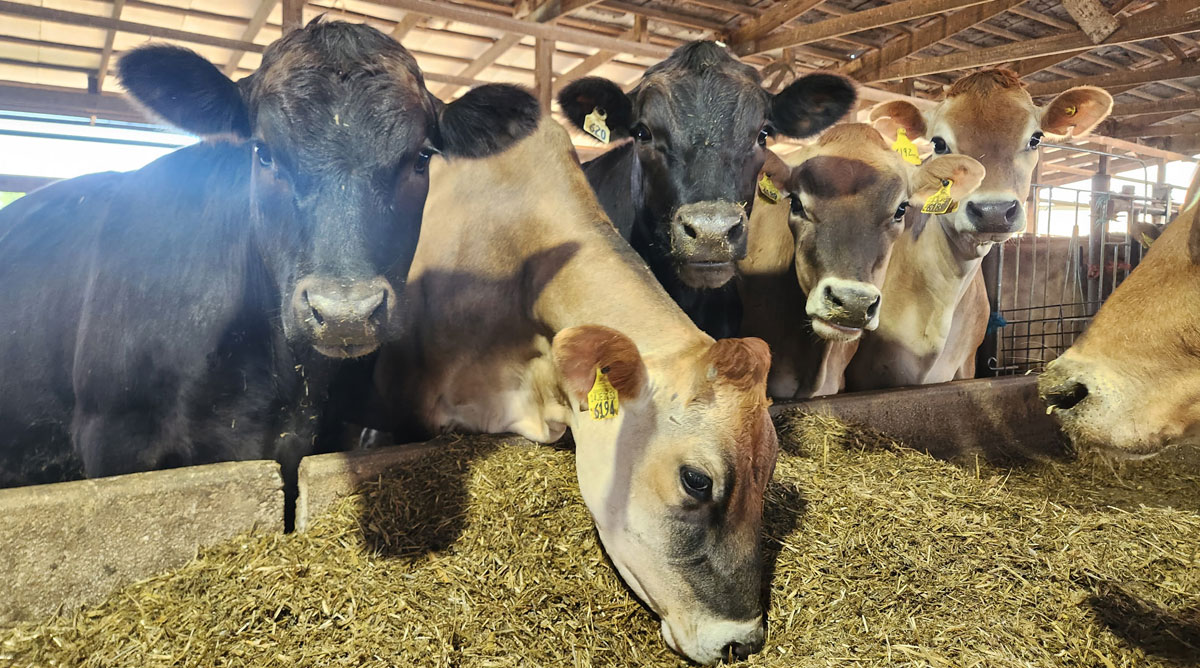
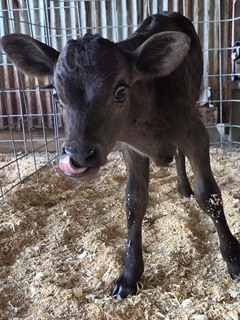
The growing number of Jersey dairy cows bred to beef sires has created thousands of F1 Jersey-Beef females. While most discussions center on the value of their steer mates, these crossbred heifers may represent an overlooked opportunity.
Imagine a beef cow that combines the maternal instincts and efficiency of a Jersey with the muscle, carcass quality, and market acceptance of a beef breed.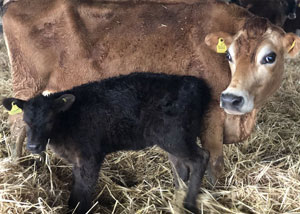
Could this become the foundation female for a more profitable cow herd?
A Replacement Female Shortage
Today’s beef industry faces an interesting challenge. Beef cattle inventories remain historically low, and producers looking to rebuild herds need quality replacement females. However, many of the heifer calves that would traditionally enter the cow herd have become increasingly valuable as feeder cattle.
Strong feeder calf prices have made it financially attractive to market nearly every beef-sired calf for feeding rather than retaining heifers as replacements. Every quality heifer sold represents immediate income that is sacrificed in hopes of future returns. As a result, sourcing enough replacement females to rebuild the nation’s cow herd has become increasingly difficult.
This opens the door to considering an entirely new source of maternal genetics.
Each year, dairy producers generate thousands of Jersey × beef heifer calves through beef-on-dairy breeding programs. Rather than competing with conventional beef replacement heifers, these females could represent an additional supply of productive cows without reducing the number of high-value beef feeder calves entering feedlots.
Efficiency Begins with the Cow
A mature beef cow is the largest annual expense in a cow-calf operation. Every day she consumes forage, requires maintenance, and occupies pasture whether she’s nursing a calf or not.
 If a cow could:
- Weigh several hundred pounds less than today’s average beef cow,
- Require less daily feed,
- Maintain excellent fertility,
- Raise a vigorous calf every year,
She could dramatically improve profitability—especially during droughts or periods of high feed costs.
Jerseys have long been recognized for converting feed into production more efficiently than larger breeds. Passing some of that efficiency into a beef maternal line could lower maintenance costs while maintaining excellent reproductive performance.
Maternal Ability Matters
One of the Jersey breed’s greatest strengths has always been motherhood.
Strong maternal instincts, attentive calf care, good milk production, and excellent fertility have been hallmarks of the breed for generations.
When combined with beef genetics—already known for calving ease and maternal value—the resulting F1 female may offer a compelling combination:
- Excellent mothering ability
- Moderate birth weights
- Strong milk production
- Early puberty
- Hybrid vigor
- Improved longevity
These are exactly the traits commercial producers seek in replacement females.
The Power of Heterosis
Crossbreeding has consistently shown that maternal heterosis is one of the most valuable tools available to cattle producers.
 Crossbred cows typically exhibit improvements in:
- Fertility
- Longevity
- Lifetime productivity
- Calf survival
- Pounds of calf weaned over their lifetime
An F1 Jersey-beef female captures maximum hybrid vigor in the first cross, potentially creating a highly productive and resilient cow.
The Right Size for Today’s Environment
Over the past several decades, mature cow size has steadily increased.
While larger cows can wean heavier calves, they also:
- Eat more forage.
- Require more winter feed.
- Place greater pressure on grazing acres.
- Increase annual maintenance costs.
As producers increasingly focus on efficiency rather than simply size, moderate-framed cows are gaining renewed interest.
A Jersey-beef female may fit that niche—large enough to raise a valuable calf while remaining economical to maintain.
Questions Still Need Answers
The concept is exciting, but important research is still needed.
Questions remain regarding:
- Mature cow size
- Weaning weights
- Fertility under commercial conditions
- Lifetime productivity
- Longevity
- Carcass performance of future generations
- Overall economic return compared with traditional beef cows
Only long-term research can determine whether these females consistently outperform conventional maternal lines.
An Untapped Opportunity
The dairy industry already produces thousands of Jersey-beef breed calves each year. Most are viewed simply as beef animals entering the supply chain.
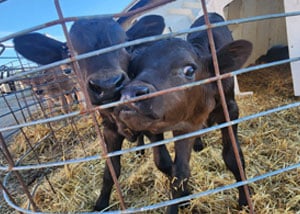
But perhaps some of these females deserve a different destiny.
Rather than asking whether a Jersey × Beef female can become a beef cow, perhaps the better question is whether the beef industry can afford not to evaluate her potential.
If these females prove to be fertile, efficient, moderate-sized mothers capable of weaning competitive calves year after year, they could provide a new source of replacement females at a time when traditional beef heifers are simply too valuable to remove from the feeder market.
The future of beef production may not depend solely on producing bigger cattle—it may depend on producing better cows. The Jersey × Beef F1 female may never replace every traditional beef cow, but she has the potential to become an important part of the industry’s future. In an era defined by efficiency, sustainability, and profitability, she is certainly a female worth studying.